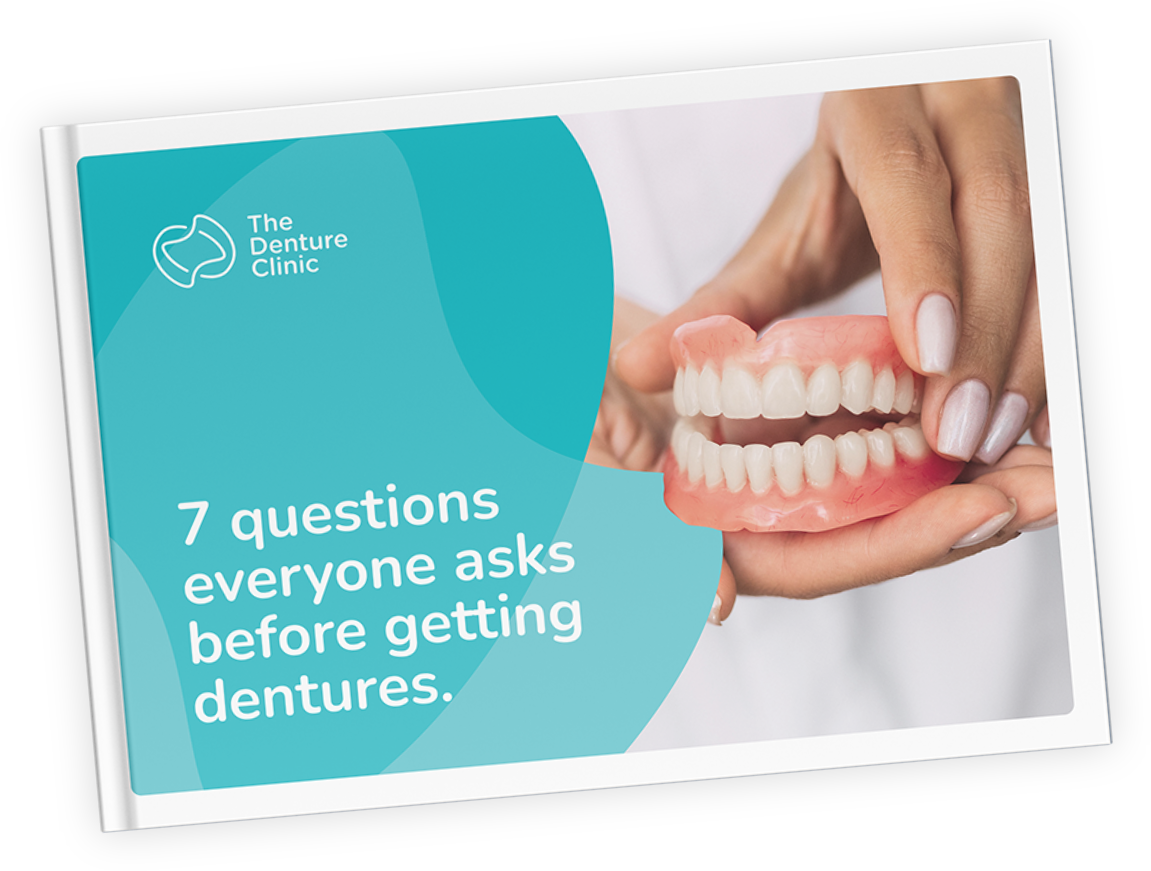
Losing most or all of your teeth can be an emotionally and physically significant experience. Whether it’s due to age-related changes, long-term dental conditions, or trauma, adjusting to this new stage may come with challenges, but also opportunities. Full dentures offer a functional and aesthetic option for individuals who want to regain their ability to eat, speak and smile more comfortably.

This blog outlines the transition from tooth loss to full dentures. It covers how this process typically unfolds, what to expect during consultations, and how to navigate the adaptation phase.
Why Full Dentures May Be the Right Solution for Severe Tooth Loss
Tooth loss doesn’t just affect your smile—it can influence how you eat, communicate, and maintain oral hygiene. For people with complete or near-complete tooth loss, full dentures may provide a stable alternative to living without teeth.
Full dentures are designed to fit the upper and/or lower gum arches, restoring form and some level of function. While everyone’s case is unique, full dentures might be an option for:
- Adults with tooth loss due to gum disease or decay
- Individuals recovering from dental trauma
- Those who want a removable solution that can be maintained independently
- People for whom alternative treatments, like implants, are unsuitable
Full dentures are typically constructed using materials that balance durability with comfort and are shaped to accommodate the individual’s oral structure.
What to Expect During the Initial Denture Consultation
The first step in the journey usually involves a consultation with a dental prosthetist. This appointment assesses your oral condition, discusses your history of tooth loss, and determines if full dentures are appropriate based on your needs and preferences.
Key elements of the consultation may include:
- A visual and tactile examination of the gums, mouth, and jaw
- A review of existing dental records or previous procedures
- Taking impressions of the mouth for diagnostic purposes
- Discussions about full denture options and stages of treatment
This session is also an opportunity to ask questions and clarify concerns, such as what to expect during the adjustment period or how to manage changes in diet.
Temporary Dentures: A Stepping Stone in Your Journey
Following extractions or if the gums require time to heal, temporary or immediate dentures might be suggested. These are designed to be worn while the tissues recover, offering aesthetic support and some functionality during the interim.
The role of temporary dentures can include:
- Providing a sense of normalcy shortly after extractions
- Aiding in speech and appearance while healing takes place
- Helping the user adapt gradually to the sensation of wearing dentures
- Allowing assessment of gum shrinkage before permanent dentures are made
These temporary appliances are typically reviewed and replaced once the healing phase is complete and more permanent options can be considered.
Understanding the Timeline of Denture Fitting & Adjustments
Transitioning to full dentures often happens over several weeks or months, depending on healing and fit. Once your mouth has healed sufficiently, a series of appointments will be scheduled to create and fit your dentures.
This process might involve:
- Taking precise measurements and impressions of the gums
- Creating a wax try-in model for assessment of comfort and appearance
- Making adjustments based on feedback during fitting appointments
- Finalising the full dentures and scheduling follow-ups
Even after receiving the final dentures, it is common to have further check-ins for minor refinements, especially as the mouth continues to adapt.
Managing Appearance Concerns with Natural-Looking Dentures
Appearance is often one of the most pressing concerns when transitioning to dentures. Modern full dentures are generally crafted with attention to natural shape, colour, and alignment, helping users feel more confident about their appearance.
Considerations for appearance include:
- Dentures designed to reflect individual facial symmetry and structure
- Options for tooth shade and shape selection based on natural features
- Gum-coloured bases that complement skin tones
- The use of materials intended to mimic the sheen of natural enamel
How Dentures Restore Everyday Function Like Eating & Speaking
Adapting to dentures may take time, but many individuals find that they gradually regain the ability to manage day-to-day activities such as eating and speaking more easily than without teeth.
Common functional benefits of dentures may include:
- Improved ability to chew a wider range of soft and semi-firm foods
- Support for lip and cheek muscles, assisting with clearer speech
- Easier articulation of certain sounds compared to speaking without teeth
- A reduction in gum irritation that might be caused by direct food contact
Initial adjustments may be needed to manage differences in chewing pressure or speech patterns, and soft foods are often recommended early on.
Adjusting to Life with Dentures: Tips for a Smoother Transition
The first few weeks with full dentures may involve physical and emotional adaptation. During this time, being patient and following practical steps to support comfort and function is helpful.
Suggestions to assist in the adjustment phase:
- Start with soft foods and gradually introduce new textures
- Practice speaking at home to become more familiar with pronunciation
- Use denture-friendly adhesives only if advised by your denture provider
- Maintain daily cleaning routines for both the dentures and oral tissues
It’s not uncommon to feel discomfort or awkwardness initially. Open communication during follow-up visits can help fine-tune the fit for improved comfort.
Why Follow-Up Appointments Are Crucial for Long-Term Denture Comfort
Once full dentures are fitted, ongoing follow-up is often a key part of the process. These appointments can help assess how the dentures are performing and address any sore spots or changes in fit due to gum and bone shrinkage.
Benefits of continued review may include:
- Identifying signs of irritation or pressure that may need modification
- Making periodic relines or adjustments to enhance fit over time
- Discussing any issues with function or hygiene
- Receiving guidance on long-term care and cleaning
Looking for Full Dentures in Canberra? We’re Here to Support Your Journey
At The Denture Clinic, we work with individuals navigating complete or near-complete tooth loss to find denture solutions tailored to their needs. If you or a family member is considering full dentures in Canberra, we invite you to get in touch via our contact page or give us a call to arrange a consultation. We’re here to provide guidance and help you feel informed and supported throughout the transition process.