Wearing dentures allows many people to regain their ability to eat, speak and smile with confidence. However, like most dental appliances, dentures aren’t a set-and-forget solution. Over time, your mouth changes — and when that happens, your dentures may no longer fit as comfortably or securely as they once did.
This is where a denture reline comes in. Instead of replacing the entire denture, relining involves reshaping the inner surface to match your current gum contours better. It’s a practical option that can restore comfort, improve function and help your dentures feel more stable — without starting from scratch.
If you’re unsure whether you need a reline, here are some common signs to look out for. Addressing them early can help prevent bigger issues down the line and keep your smile working as it should.
Your Dentures Feel Loose or Keep Moving
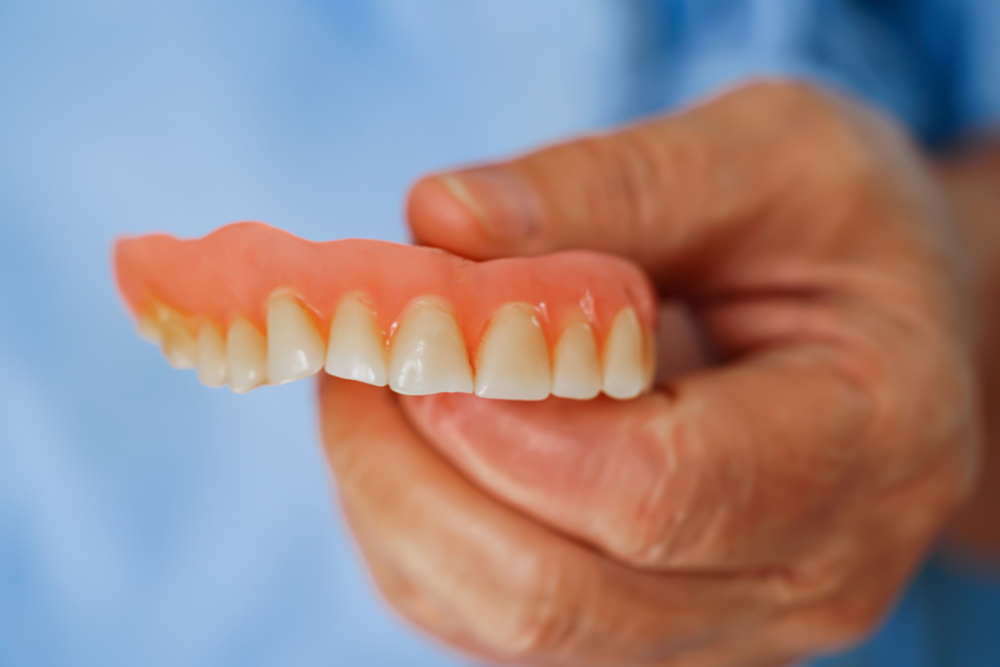
One of the earliest and most common signs that you might need a denture reline is movement. Dentures that once fit securely may begin to feel unstable or shift unexpectedly when you’re eating, talking or even just resting.
This instability often comes from natural changes in your mouth, including:
- Gradual shrinking of your jawbone after tooth loss, which alters how your dentures sit.
- A change in gum shape, leaving small gaps between the denture base and soft tissue.
- Less suction or grip from the denture due to a poor fit over time.
A reline helps by re-adapting your current dentures to the new contours of your mouth, restoring that close, comfortable fit without needing a full replacement.
You’re Experiencing Sore Spots or Gum Irritation
Even well-made dentures can begin to cause discomfort if they’re no longer aligned correctly with your gums. If you’re noticing sore spots, rubbing, or red patches on your gum line, it might be time to reassess the fit.
Some key indicators of irritation linked to poor denture fit include:
- Localised soreness that appears after wearing your dentures for extended periods.
- A burning or aching sensation beneath the denture base.
- Ulcers, blisters, or small abrasions where the denture rubs.
A denture reline can help redistribute pressure more evenly, reducing these pressure points and improving day-to-day comfort.
You’re Avoiding Certain Foods or Struggling to Chew
Eating should feel comfortable and natural, even with dentures. If you’ve started to avoid certain foods — tough, chewy or crunchy ones — or notice that chewing is becoming more difficult, it could mean your dentures aren’t functioning as well as they used to.
These changes in function may show up as:
- Food getting stuck beneath the denture more often than usual.
- Difficulty biting through firm foods that you once handled easily.
- Reduced chewing power or discomfort when eating on one side.
Rather than adjusting your diet to accommodate discomfort, it may be worth considering a denture reline to enhance the overall stability and biting function of your dentures.
You Notice Changes in Your Speech
The way your dentures fit can also impact how clearly you speak. If you’re hearing a lisp, slurring certain sounds, or finding it more challenging to pronounce words, changes in your denture’s fit could be playing a role.
Speech changes to look out for include:
- Whistling or slurring when speaking, especially with ‘s’ or ‘f’ sounds.
- Feeling the need to reposition your dentures with your tongue during conversations.
- A sense that your dentures are moving when you speak, causing self-consciousness.
These issues can often be corrected with a timely reline that helps your dentures sit more securely and move naturally with your jaw.
Your Face Shape or Smile Looks Different
Dentures don’t just help with chewing — they also support your facial muscles and contribute to the shape of your face. If your dentures no longer fit well, you might notice subtle changes to your appearance.
Changes that may point to an issue include:
- Sunken cheeks or a ‘drawn’ look around your mouth.
- A visible change in your jaw alignment or how your lips rest.
- A smile that looks less natural or slightly off-centre.
These signs may indicate that your dentures are no longer supporting your facial structure properly. In many cases, a denture reline can help restore balance and improve the visual harmony of your smile.
It’s Been Over a Year Since Your Last Denture Review
Even if you’re not experiencing noticeable discomfort, it’s a good idea to have your dentures reviewed annually. Small changes in your gums and jaw can accumulate over time, and catching them early can make a reline more straightforward.
Here’s why a yearly review is helpful:
- Subtle shifts in fit can be corrected before they become more challenging to manage.
- Early intervention can reduce your risk of sore spots or gum trauma.
- Your denture can be assessed for general wear, cracks or damage.
If you’re wearing dentures in Canberra and it’s been more than a year since your last visit, a check-up may be a good next step — even if things still feel relatively normal.
What a Denture Reline Involves
If your clinician recommends a denture reline, the process usually involves updating the base of your current denture so it better matches the shape of your gums. It doesn’t change how your dentures look from the outside, but it can significantly improve how they feel and function.
There are two main types of relines:
- Hard Reline – This is a more durable option, where a firm acrylic material is used to reshape the inner surface of the denture. It’s suitable for long-term use and often done in a dental lab.
- Soft Reline – A softer, more flexible material is used. This option is often chosen for patients with sensitive gums or for those adjusting to new dentures.
The procedure may involve taking new impressions, and in some cases, your dentures may need to be left at the clinic for a short time while the reline is completed.
Don’t Let Loose Dentures Hold You Back
Changes in fit, function and comfort are common over time — but that doesn’t mean you have to settle for poorly fitting dentures. A denture reline can refresh your current set and help you feel more comfortable and confident in your daily routine.
If you’re noticing signs like soreness, looseness or difficulty eating, now may be a good time to consider having your dentures reviewed.
Ready for a Reline? Let’s Chat
At The Denture Clinic, we support individuals who wear dentures in Canberra by providing personalised care tailored to each person’s unique needs. If you’re unsure whether your dentures still fit properly, reach out to book a consultation. We’ll assess your current denture, discuss whether a denture reline is suitable, and help you explore your options calmly and straightforwardly.