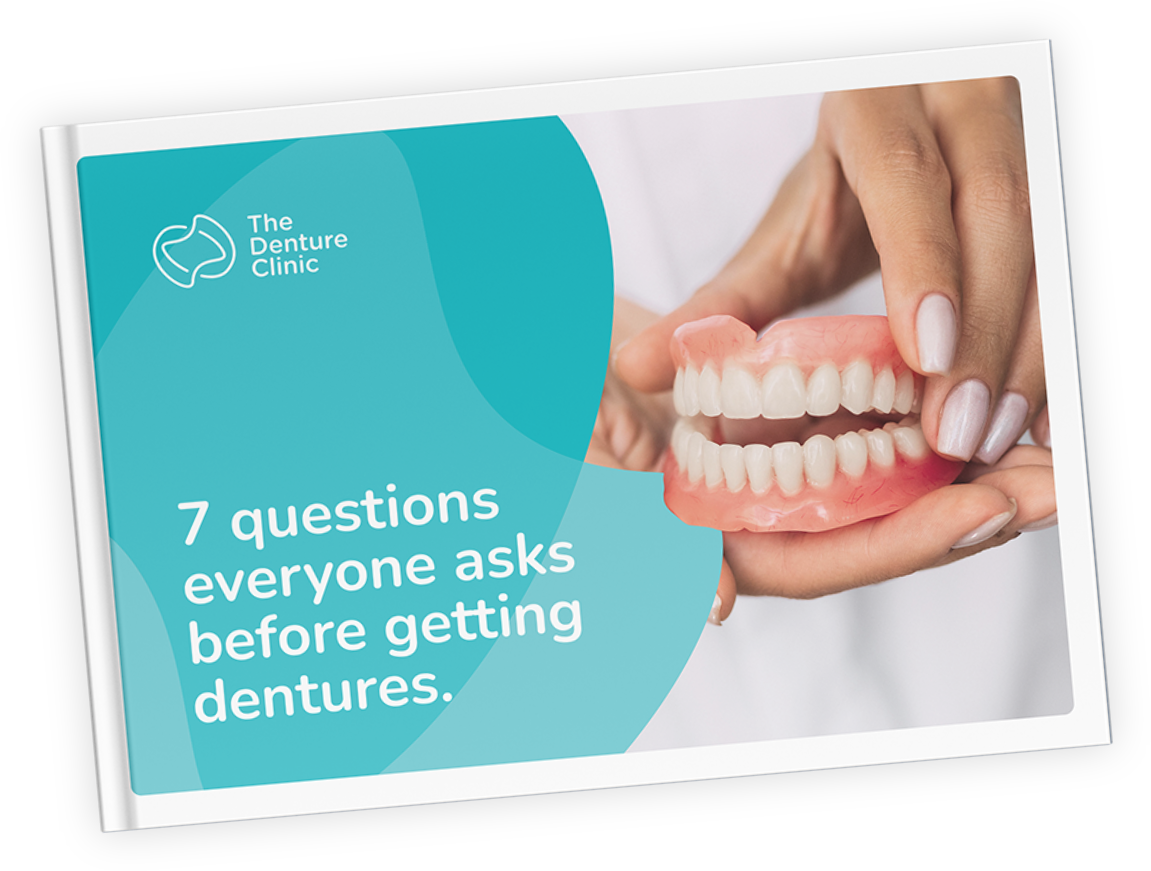
Quick answer: Denture costs in Canberra vary depending on the type of denture, the material used, how many teeth are being replaced, and your individual treatment requirements. Rather than a single fixed price, your cost reflects your specific situation — for current figures, view our denture pricing page, or read on to understand what actually drives that number.
What Is The Average Cost Of Dentures In Canberra?
If you’ve searched “how much do dentures cost” and found a dozen different answers, that’s not a sign of inconsistent pricing — it’s a reflection of how genuinely different two denture treatments can be. A single acrylic partial replacing one or two teeth is a very different job to a full upper-and-lower set, and pricing reflects that difference.
Rather than quoting a blanket average that won’t apply to your specific case, the most useful starting point is understanding what the main cost categories look like — full dentures, acrylic partial dentures, and chromium partial dentures — and what separates them, which we’ll walk through below. For an accurate figure, our denture pricing page reflects our current, transparent pricing.
What Affects The Cost Of Dentures?
Several factors genuinely shift the cost of your treatment:
Type of denture. Full dentures, replacing an entire arch, involve more material and clinical work than a partial denture replacing a handful of teeth.
Material choice. Acrylic, chromium, and other framework materials all come with different costs, reflecting differences in manufacturing time, durability and comfort.
Number of teeth being replaced. More teeth generally means more complexity in fit, function and aesthetics.
Complexity of your case. Factors like existing tooth condition, jaw alignment, and whether extractions are needed beforehand all affect the overall treatment.
Customisation and characterisation. Dentures designed to match your natural facial structure and bite involve more detailed clinical work than a basic, functional fit.
Ongoing requirements. Adjustments during the fitting process, and future maintenance like relines, are part of the full picture of denture ownership, not just the initial cost.
Full Vs Partial Dentures: How Do Costs Compare?
Full Dentures
Full dentures replace an entire arch of teeth — upper, lower, or both — and are custom made to fit your mouth, restore function and support your facial structure. Because a full denture involves replacing every tooth in an arch, along with careful attention to bite alignment and facial support, it represents a bigger overall treatment than a partial denture, and pricing reflects that broader scope.
Acrylic Partial Dentures
Acrylic partial dentures use acrylic and spring wire clasps to replace missing teeth while relying on the gums, rather than the remaining natural teeth, for support. They’re generally quicker and more straightforward to manufacture than chromium options, which is reflected in their more affordable price point. This makes them a genuinely practical option when a denture is needed quickly, or as a temporary or short-term solution while a longer-term plan is decided on.
Chromium Partial Dentures
Chromium partial dentures use a metal framework with clasps that attach directly to your remaining natural teeth, rather than relying on the gums alone. This construction method takes more time and a different manufacturing process than acrylic, which is reflected in the higher price — but it also delivers genuine benefits in comfort, thinness and durability that many patients find worth the difference.
Why Are Chrome Dentures More Expensive Than Acrylic Dentures?
The price difference between chrome and acrylic partial dentures comes down to material and construction, not just brand positioning. Chromium frameworks take longer to manufacture and use a different, higher-cost material and construction method compared to acrylic. In return, chrome partial dentures are typically thinner, lighter and more comfortable in the mouth, since acrylic dentures need thicker material to avoid fracturing under normal wear.
Chrome frameworks also tend to last well, generally serving patients anywhere between five and ten years with proper care, depending on maintenance and oral tissue health. Acrylic remains a genuinely valid choice too, particularly where speed or upfront cost is the priority — it’s simply a different trade-off between cost, comfort and timeline, not a case of one option being objectively “better” for every patient.
Are There Additional Costs After Getting Dentures?
Getting your dentures made and fitted isn’t necessarily the end of the cost conversation, and it’s worth planning for this rather than being caught off guard later.
Adjustments. It’s common to need minor adjustments in the weeks after your dentures are first fitted, as your mouth adapts to the new fit.
Relines. Denture relines are essential every two to four years to keep your denture fitting accurately and performing correctly, since your gums and jawbone shape naturally change over time.
Repairs. Accidental damage or wear can require repair work to keep your existing denture functional rather than needing a full replacement.
Eventual replacement. Dentures don’t last indefinitely — depending on the type and how well they’re cared for, most will eventually need replacing as your oral tissues and jaw structure continue to change over the years.
Budgeting for these ongoing needs, not just the initial cost, gives you a more realistic picture of long-term denture ownership.
Can Private Health Insurance Cover Dentures?
Many private health funds offer rebates for dentures under major dental cover, and this is genuinely worth checking before you begin treatment. To claim for new dentures and denture maintenance products like relines, you’ll generally need major dental cover as part of your policy — it’s not typically covered under general or basic extras alone.
We accept all health funds and can process claims immediately using HICAPS, meaning your rebate can often be applied on the spot rather than requiring a separate claim process afterwards. Before treatment begins, all costs are outlined in a written quote with item numbers listed, so you (or we, on your behalf) can check exactly what rebate applies under your specific policy.
We’re not able to guarantee coverage for every individual policy, since rebate levels and eligibility vary between health funds and cover types, which is exactly why confirming your specific entitlements before starting treatment is worthwhile.
Should You Choose Dentures Based On Price Alone?
It’s tempting to let the cheapest quote decide, but price is only one part of a decision that affects your comfort, confidence and oral health for years. Fit, durability, appearance and long-term value all matter alongside the upfront number.
A poorly fitted or lower-quality denture can lead to discomfort, sore spots, and a shorter usable lifespan, potentially costing more in the long run through earlier repairs, relines or full replacement. Considering the full picture — not just the sticker price — generally leads to a better outcome than choosing based on cost alone.
How Can I Get An Accurate Denture Quote In Canberra?
Because so many factors affect the final cost, the only reliable way to know exactly what your treatment will cost is a proper consultation. We’ll go through all the different treatment options with you, comparing the suitability, cost and lifespan of each, before providing a clear, written quote with everything itemised.
If you’re ready to explore your options, take a look at our current denture pricing, or learn more about partial dentures and full dentures to understand which option might suit your situation. If you’re an existing denture wearer, it’s also worth checking in on denture relines or denture repairs to keep your current dentures performing properly.
Get in touch with The Denture Clinic today to book a consultation and receive an accurate, individual quote for your specific needs.
FAQs
How much should I expect to pay for dentures in Canberra?
This depends on the type of denture (full or partial), the material chosen, and the complexity of your specific case. Rather than a single average figure, an accurate cost comes from an individual consultation and written quote — our denture pricing page reflects our current rates.
Why do full, acrylic partial and chrome dentures cost different amounts?
Full dentures involve replacing an entire arch, which is a larger treatment than a partial denture. Between partial options, chromium dentures cost more than acrylic due to a more involved manufacturing process and material, offering greater comfort and durability in return.
Does private health insurance help cover the cost of dentures?
Many health funds offer rebates for dentures under major dental cover specifically, and we can process claims on the spot using HICAPS. Coverage varies by fund and policy, so it’s worth confirming your specific entitlements before treatment begins.
How often do dentures need to be relined or replaced?
Relines are generally recommended every two to four years to maintain a proper fit as your gums and jaw shape change over time. Full replacement timing varies depending on the denture type and how well it’s cared for.
Should I choose the cheapest denture option available?
Not necessarily. Fit, comfort, durability and appearance all affect the long-term value of your dentures, and a lower-quality option may end up costing more over time through earlier repairs, relines or replacement.