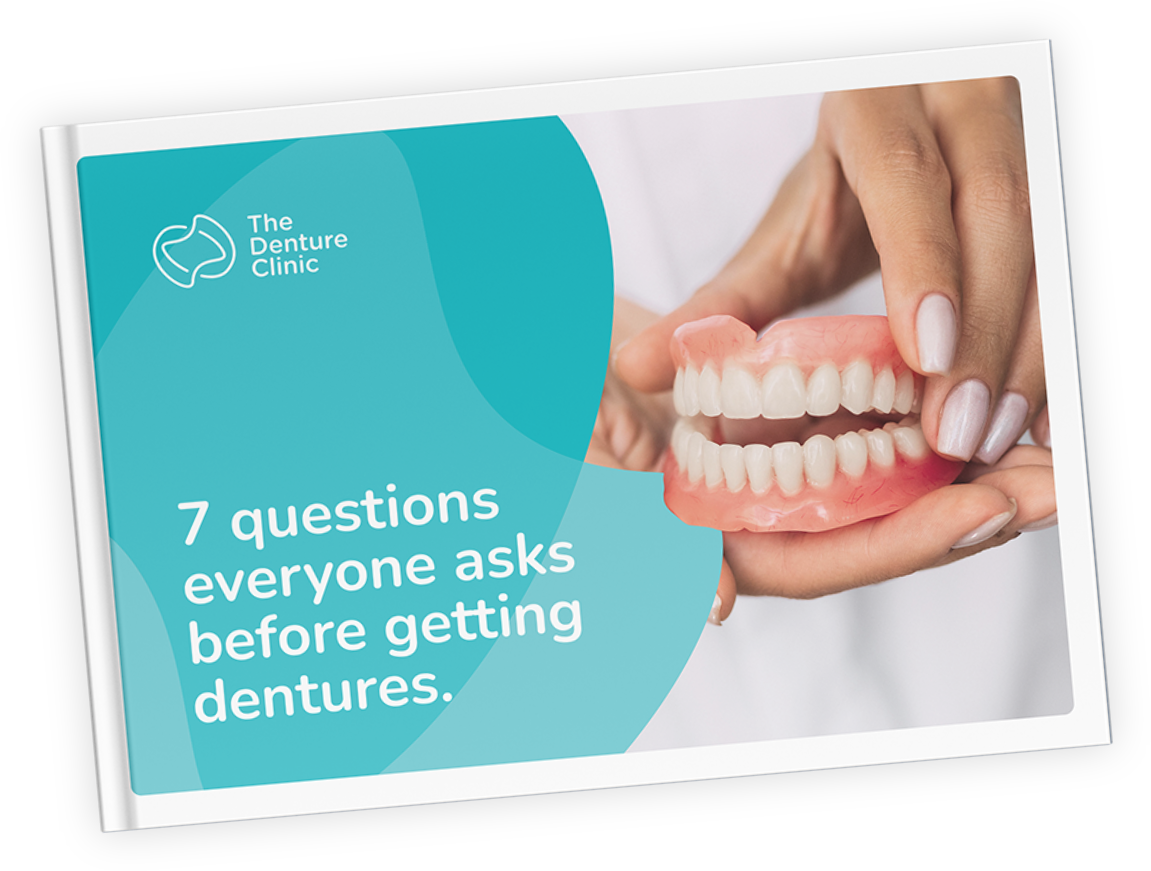
Noticing that your dentures don’t fit quite the way they used to is more common than most people realise, and it’s rarely a sign that something has gone wrong with the dentures themselves. In most cases, it’s the jaw underneath that has gradually changed shape. This process, known as jawbone resorption, begins at the point of tooth loss and continues slowly over time, affecting how dentures sit, feel, and function. Understanding why this happens, and what can be done about it, helps patients make more informed decisions at every stage of their denture journey. For anyone attending a denture clinic in Canberra, this is a conversation worth having sooner rather than later.
Why Bone Loss Happens After Tooth Loss
To understand why jawbone changes occur, it helps to understand the role teeth play in keeping bone healthy. Every time you bite or chew, the roots of your natural teeth transmit pressure down into the jawbone. That stimulation signals the body to maintain bone density in that area.
When a tooth is removed, that stimulation stops entirely:
- Without the pressure signals from tooth roots, the body begins to reabsorb the bone in that area as it is no longer perceived as necessary
- Tooth loss and bone loss is a well-established relationship in dental medicine, and the process can begin within the first year following an extraction
- The rate of resorption varies between individuals and is influenced by factors including age, general health, nutrition, and how many teeth have been lost
- Bone loss can occur even when dentures are worn, because dentures rest on the gum surface rather than transmitting stimulation into the bone the way natural roots do
This is not a reason to avoid dentures. They remain an effective and widely used solution for tooth loss. But understanding the underlying process helps explain why ongoing care and monitoring matter so much over the long term.
How Traditional Dentures Interact With Bone Resorption
One of the questions patients often ask is whether wearing dentures makes bone loss worse. The honest answer is that traditional dentures do not prevent resorption, and in some cases the pressure they place on the gums and underlying bone can contribute to it over time.
The relationship between jawbone resorption and dentures works like this:
- Traditional dentures distribute chewing forces across the gum surface and underlying bone ridge, rather than directing stimulation deeper into the jaw where it would help maintain density
- Over months and years, as the bone ridge changes shape, the fit of the denture changes with it, which can create uneven pressure points that accelerate localised bone loss
- Ill-fitting dentures that rock or shift during eating can cause chronic low-level irritation to the gum and bone tissue beneath them
- Bone loss with dentures tends to be most pronounced in the lower jaw, where the bone ridge is narrower and more vulnerable to resorption over time
None of this means dentures are the wrong choice. It does mean that regular professional review is an important part of managing the long-term health of the jaw, not just the comfort of the denture.
Recognising the Signs That Your Jaw Has Changed
Because bone resorption is a gradual process, many patients don’t notice it until the changes have become significant enough to affect daily life. Knowing what to look for makes it easier to seek attention before problems become harder to manage.
Common signs that jawbone changes may be affecting your dentures include:
- Denture fit changes over time, with dentures that once felt secure becoming loose, shifting during eating or speaking, or requiring more adhesive to stay in place
- Sore spots or areas of chronic irritation under the denture that weren’t present when the denture was first fitted
- A change in facial appearance, particularly around the lower face and chin, which can look more sunken or collapsed as bone volume reduces
- Difficulty chewing certain foods that were previously manageable, or a general reduction in chewing confidence and comfort
If any of these signs are familiar, a professional assessment is the appropriate next step. Changes in fit are not something to simply adapt to or manage with over-the-counter adhesives long term.
What Denture Relines Do and When They Are Needed
A denture reline is one of the most practical and accessible ways to address the fit changes that come with gradual bone and gum resorption. It involves resurfacing the fitting side of the denture so that it matches the current shape of the mouth more accurately. For patients seeking denture relines in Canberra, this is a straightforward procedure carried out by a dental prosthetist and does not require the denture to be replaced.
Understanding what relines involve helps patients feel more confident about the process:
- Denture relines are typically recommended when a denture has become noticeably loose, is causing sore spots, or when it has been several years since the last professional review
- The procedure does not replace the denture itself but updates the fit surface to reflect how the jaw and gum tissue have changed since the denture was made or last adjusted
- Soft relines use a cushioning material suited to patients with sensitive or sore gum tissue, while hard relines use a more durable acrylic material for longer-lasting results
- Most patients find that a well-timed reline restores comfort and stability significantly, often extending the useful life of an existing denture by several years
Relines are not a permanent solution to ongoing bone loss, but they are an important part of a proactive approach to denture care that keeps patients comfortable and their oral health monitored over time.
The Role of Regular Check-Ups in Managing Bone Health
Routine appointments with a dental prosthetist do considerably more than check whether a denture still looks presentable. They provide an opportunity to monitor the ongoing changes in jaw structure that every denture wearer experiences over time.
Regular professional reviews allow for:
- Early identification of fit changes before they progress to sore spots, bone irritation, or significant loss of function
- Assessment of the gum and bone tissue beneath the denture, which is not something patients can reliably evaluate themselves
- Timely recommendations for relines, adjustments, or replacement when the denture has reached the point where it can no longer be adequately modified to fit the changing jaw
- Discussion of longer-term options as the patient’s oral health situation evolves, including whether additional interventions might be appropriate to consider
For most denture wearers, an annual professional review is a reasonable baseline. Those experiencing noticeable changes in fit or comfort should seek an appointment sooner rather than waiting for the next scheduled visit.
Do Dentures Cause Bone Loss, or Does Bone Loss Cause Denture Problems?
This is one of the most common points of confusion for patients, and it’s worth addressing directly. The relationship runs in both directions, which is part of what makes ongoing management so important.
To clarify how the two interact:
- Do dentures cause bone loss? Not directly, but they do not prevent it either, and poorly fitting dentures can accelerate resorption by creating uneven pressure on the underlying bone ridge
- Tooth loss itself is the primary trigger for bone resorption, meaning the process begins before a denture is even fitted
- The longer a denture goes without professional review or adjustment, the more likely it is that fit problems will develop that contribute to further bone changes
- Patients who maintain regular care appointments and address fit issues promptly tend to experience slower rates of functional decline than those who delay professional review
Understanding this two-way relationship helps patients see why denture care is an ongoing commitment rather than a one-time solution.
Implant-Supported Dentures as a Long-Term Option
For patients where bone loss is more advanced, or for those who want a more stable long-term solution, implant-supported dentures in Canberra are an option worth discussing with a qualified dental prosthetist.
The key differences compared to traditional dentures include:
- Dental implants are anchored directly into the jawbone, which reintroduces the stimulation that helps maintain bone density over time
- Implant-supported dentures provide significantly greater stability than traditional dentures, reducing or eliminating the movement that contributes to bone irritation and gum soreness
- The improved retention of implant-supported systems allows patients to chew with greater confidence and comfort, which has broader benefits for nutrition and quality of life
- Implant-supported options are not suitable for every patient, and a thorough clinical assessment is required to determine whether bone density and general health are sufficient to support the procedure
For patients who are good candidates, implant-supported dentures represent a significant improvement in both daily function and long-term oral health outcomes. A consultation with a qualified dental prosthetist is the appropriate starting point for anyone considering this option.
Having the Right Conversation at Your Next Appointment
One of the most valuable things a patient can do is arrive at a dental appointment prepared to ask questions. For older adults navigating denture changes, knowing what to ask makes the conversation more productive and the outcome more useful.
Questions worth raising at a denture review include:
- How much has the fit of my denture changed since it was last assessed, and what does that suggest about the rate of bone change?
- Is a reline or adjustment likely to restore adequate fit, or has the denture reached the point where replacement should be considered?
- Are there any signs of concern in the gum or bone tissue that warrant closer monitoring or referral?
- What options are available to me if I want to improve stability or slow the rate of bone loss over the longer term?
A good dental prosthetist will welcome these questions. If a patient leaves an appointment feeling more informed and more confident than when they arrived, that is a sign the appointment has served its purpose well.
Speak With The Denture Clinic Canberra
We at The Denture Clinic understand that changes in denture fit can be unsettling, particularly when they happen gradually and without a clear explanation. Our approach is to give patients the information they need to understand what is happening and the options available to them, without pressure or unnecessary complexity.
Whether you are a long-term denture wearer noticing recent changes, someone newly exploring denture options following significant tooth loss, or a patient curious about implant-supported solutions, we are here to help you navigate those decisions with clarity and care. The Canberra region’s older community deserves straightforward, honest guidance from professionals who take the time to listen. Reach out to our denture clinic in Canberra to arrange an appointment and take the next step with confidence.